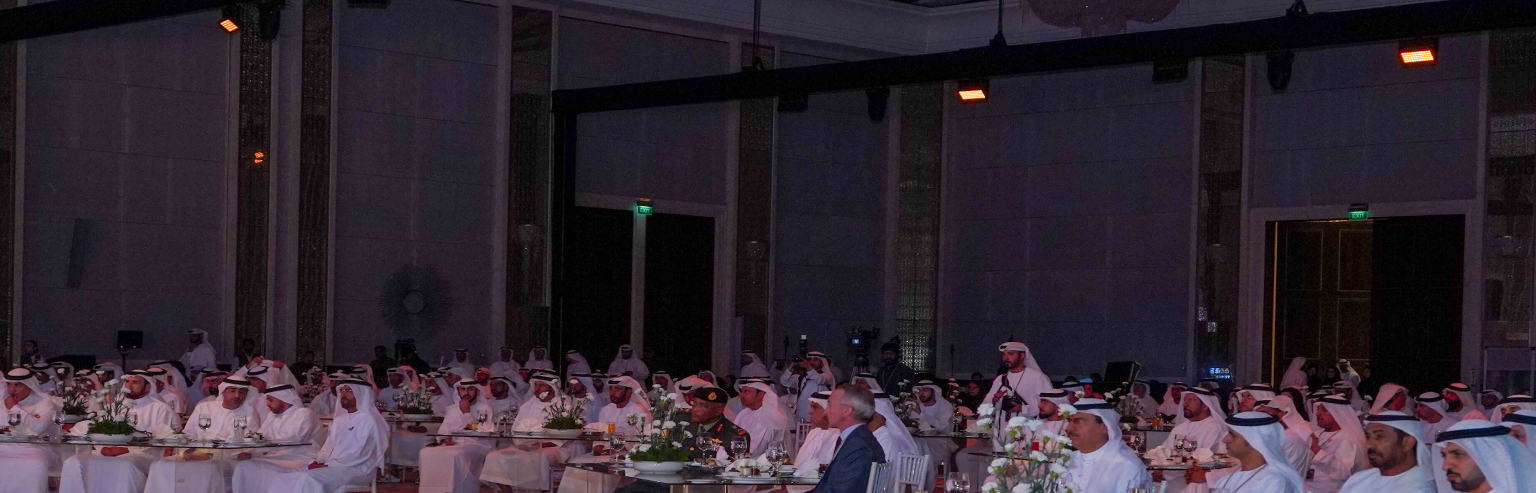
Dr. Jamal Al Hosani, Director of Technology and Communications at the National Emergency, Crisis, and Disaster Management Authority, which is organizing the conference, stated during a press conference today that the conference aims to raise the level of knowledge among relevant parties in the fields of national security and crisis and disaster management at the local, regional, and international levels. This is achieved through the exchange of knowledge and experiences related to modern systems, tools, and various working mechanisms used to address potential disasters and emergencies.
He added that this session reflects the authority’s vision and objectives to enhance risk management capabilities and response strategies. It aims to ensure business continuity and rapid recovery from any emergency, crisis, or disaster by preparing for planning and using all available coordination and communication means at both local and federal levels.
Regarding strategic plans and training methods to address crises, which should be considered when facing crises and disasters, he mentioned in a statement to the Emirates News Agency that the authority serves as the main umbrella for various agencies, many of which are participating in the conference.
He added, "We have completed all preparations for the fourth conference, especially after confirming the participation of all relevant personalities, including guests, official speakers, session chairs, and lecturers from experts, academics, and specialists from the UAE, the Arab world, and globally." The conference will cover five main topics through five working sessions, with 14 experts and specialists speaking.
He explained that there will be a welcoming speech by His Excellency Mohammed Khalfan Al Romaithi, Director General of the National Emergency, Crisis, and Disaster Management Authority. The opening session will feature speeches by Dr. Nabil Elaraby, Secretary-General of the Arab League, António Guterres, UN High Commissioner for Refugees, and His Excellency Suhail Faris Al Mazrouei, Minister of Energy.
Due to the importance of preventive forecasting regarding risks, the first session titled "Preventive Forecasting, Not Improvised Response" will feature speakers including General Michael Charlton-Wood from the UK Cabinet Office Civil Contingencies Secretariat, Ms. Raelene Thompson, Executive Director of the Australian Emergency Management Institute, and Mr. Alan Berman, President of the International Disaster Recovery Institute in New York, USA. This session will address "Developing National Capacities and Resilience During Disasters and the Role of Business Continuity Management in Crisis and Disaster Response."
The second session, titled "Media and Crisis Management," will feature presentations from Mr. Peter Rieker, CEO of the Emergency Media Organization in Australia, Dr. Campbell McCafferty, Director of the Civil Contingencies Secretariat in the UK Cabinet Office, and Mr. Nigel Kay, an international expert in media and emergency management.
This session will focus on "The Role of Media in Raising Community Awareness to Address Emergencies, Crises, and Disasters," "Planning the Media Strategy for Managing Emergencies, Crises, and Disasters," and "Dealing with Media During Emergencies, Crises, and Disasters."
The second day of the conference will include a keynote speech by His Excellency Sheikh Nahyan bin Mubarak Al Nahyan, Minister of Culture, Youth, and Community Development. The third working session will be titled "The Community as the First Responder," featuring speakers including Major General Rashid Thani Rashid Al Matrooshi, Acting Commander-in-Chief of Dubai Civil Defense, Dr. Mohamed Atique Sultan Al Falahi, Secretary-General of the Red Crescent, and retired Colonel Brian W. Howard, an active member of volunteer organizations in Australia. This session will discuss "The Role of Civil Defense in Crisis and Disaster Response" and "The Role of the Red Crescent and Volunteers in Preparing for and Responding to Disasters."
The fourth session will focus on "Risk Management," with presentations from His Excellency Mohamed Ibrahim Al Hammadi, CEO of the Emirates Nuclear Energy Corporation, and Dr. Abdulrahman Khaleef Al Anzi, Deputy Head of the GCC Emergency Management Center, discussing "Managing Nuclear Risks" and "Proposed Model for Building a Risk Registry in GCC Countries."
Mr. Andrew Maskery, Head of the Risk Knowledge Department at the United Nations Office for Disaster Risk Reduction, will present the UN annual report on disaster risk reduction through a lecture titled "From Shared Risks to Shared Benefits – Reducing Disaster Risks."
The fifth and final session will be titled "Climatic Phenomena and Natural Disasters," featuring speakers including Dr. Khalid Saleh Al Blooshi, Head of the Geology Department at UAE University and President of the Geologists Association of the UAE, Chris Fulton, Head of the High Impact Risk Management Team at the UK Civil Contingencies Secretariat, and Omar Ahmed Al Yazidi from the National Center of Meteorology and Seismology of the UAE. This session will discuss "Ways to Address and Mitigate the Effects of Earthquakes and Floods," "Climatic Phenomena and Their Role in Disasters," and "The Role of Meteorology in Preventing Weather and Climate-Related Risks," along with the closing remarks and recommendations.
Nasser Al Yamahee, Director of Media and Public Communication at the Authority, emphasized to the Emirates News Agency the authority's commitment to promoting the culture of crisis and emergency management in the community and governmental and private institutions, especially in the education sector among students, teaching staff, employees, and workers, to ensure the safety and security of the educational sector during emergencies and crises.
He mentioned that coordination and collaboration with relevant response entities have been established to enhance and define roles and responsibilities in addressing such crises. He also pointed out that a variety of programs have been planned for this year aimed at creating effective coordination mechanisms within educational institutions for successful crisis management, raising cultural awareness among individuals from schools to governmental and private sectors through workshops, seminars, and lectures.